How Does SAREO Conduct Its Research?
Understanding How Ecosystems Develop
SAREO studies how ecosystems build themselves.
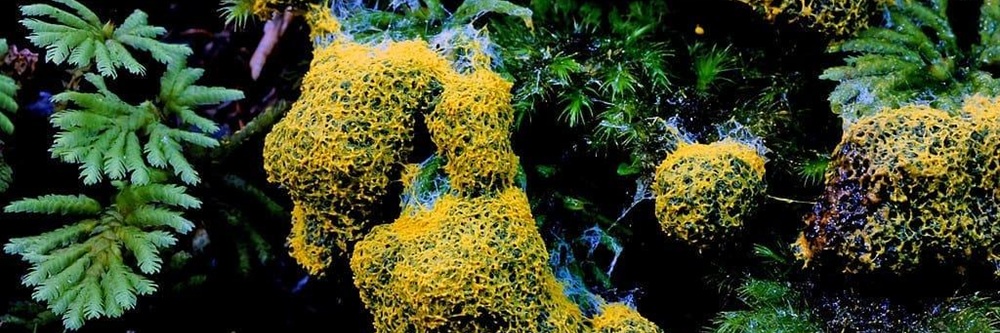
A mature ecosystem is the result of countless processes working together over very long periods of time. Soil forms. Microorganisms establish communities. Plants colonize new ground. Fungi connect with roots. Nutrients move through soil, water, plants, animals, and the atmosphere. Disturbances occur, and ecosystems recover.
SAREO seeks to understand how these processes work, how they interact, and what allows ecosystems to become increasingly diverse and resilient.
Learning From Healthy Ecosystems
SAREO believes that some of the most useful answers may already exist in nature.
Instead of beginning with the assumption that humans need to build a replacement for a damaged ecosystem, we can first ask:
How does a healthy ecosystem accomplish this on its own?
By studying mature ecosystems, SAREO seeks to identify the organisms, relationships, chemical processes, and environmental conditions that allow them to develop and regenerate.
This includes research into soils, microbial communities, fungi, plants, nutrient cycling, decomposition, hydrology, carbon, species interactions, and recovery following disturbance.
From Research to Action
Understanding a process is only the beginning.
SAREO intends to investigate whether some of the processes found in healthy ecosystems can be responsibly assisted where ecosystems have been damaged or disrupted.
That might mean helping establish soil, encouraging the return of appropriate vegetation, restoring hydrological conditions, supporting microbial communities, or reintroducing organisms that play important ecological roles.
But SAREO will not assume that an intervention works simply because it seems like a good idea.
We will test it. Measure the results. Learn from the failures. Refine the approach. Test it again.
The goal is to determine when human assistance can genuinely help an ecosystem recover without replacing the ecosystem's own processes.
Ecology and Human Activity
SAREO also recognizes that ecosystems exist within landscapes used by people.
Research should therefore do more than describe environmental problems. It should help identify practical ways for ecological regeneration and human activity to exist together.
Where that is possible, SAREO wants to help develop those solutions. Where it is not, our responsibility is to provide sound ecological information so that communities, organizations, and decision-makers can make better choices.
Starting in Southeast Alaska
Southeast Alaska is where SAREO begins its field research.
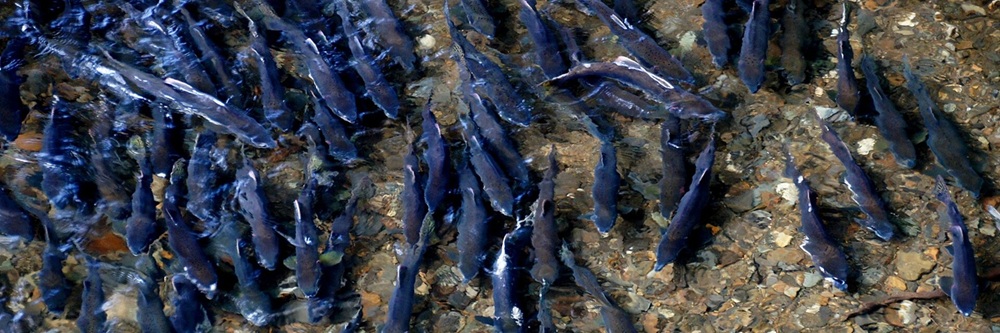
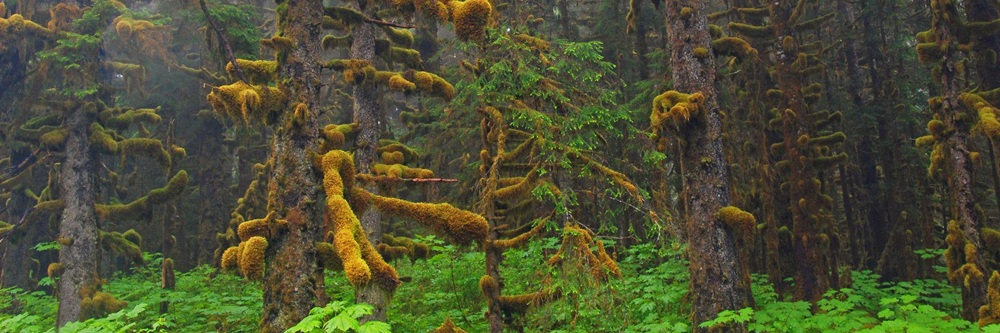
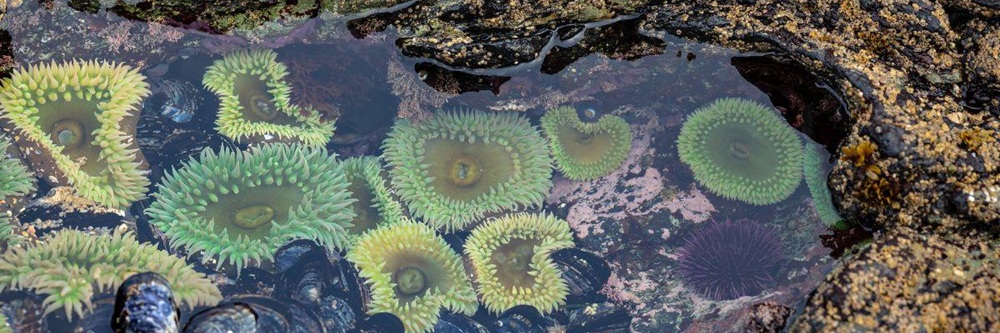
The region contains an extraordinary range of connected ecosystems, from marine and tidal environments to old-growth forests, rivers, wetlands, alpine terrain, and glaciers.
By studying these systems in the field, SAREO hopes to develop a deeper understanding of how ecosystems form and how their natural processes might be responsibly supported.
If those methods prove useful beyond Southeast Alaska, they can be tested elsewhere.
The research comes first. The results determine where it goes next.
Our Long-Term Aim
To understand the ancient processes that sustain and diversify life, to learn how humanity can participate constructively in those processes, and to leave the future with greater ecological capacity than it would otherwise possess.